
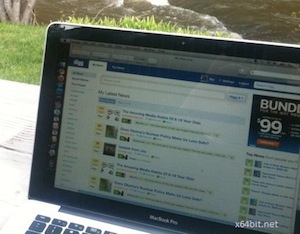
 You might already know that social news and voting site Digg is undergoing some changes that’ll be rolled out in the near future. But if you want a glimpse of what the changes might be, TechCrunch has an annotated version of a picture that Digg CEO Kevin Rose tweeted over the weekend, with a bit of an analysis. The picture is of Rose’s MacBook Pro screen, though the sun’s glare makes it a bit difficult to see much. (An updated picture, albeit smaller, shows the screen more clearly.) From TechCrunch has gleaned, it appears that the new Digg will be even more social, with user avatars showing more prominently, embedded status updates related to story items and more. [Image courtesy of X64bit.]
Do you do a lot of downloading, screen captures, podcasting, video blogging or screencasting? Well then Seagate has a monster hard drive for growing data storage needs. Thinq is reporting that Seagate has confirmed an upcoming 3TB drive for later this year. That’s TeraBytes, as in 1,000 times a GigaByte. My MacBook Pro’s 500GB drive is filling up awfully fast, but that’s due to photo and video work I’m doing with my wife, a filmmaker. I have a few internal drives in my blogging setup, though one is for backups and the other requires two USB ports and gets whiny sometimes and simply doesn’t function. While a 3TB drive does sound tempting, from a purely mechanical point of view, I’d much rather have three 1TB drives or six 500GB drives. This would allow you to assign drives for different purposes, and if one fails, you don’t lose all your data.
Postrank is reporting that traditional hosted blog platforms such as Blogspot, WordPress and Typepad are still way ahead of supposedly popular microblogging services such as Tumblr and Posterous. ReadWriteWeb’s Marshall Kirkpatrick provides a bit of an analysis of the Postrank report, showing that Blogger is the king of comments. But while hosted blog services serve their purpose, if you’re trying to build a brand, you want to host your own blog, using WordPress, Drupal, Moveable Type, Joomla, Expression Engine, etc.
The EFF (Electronic Frontier Foundation) has published a report (PDF, 19 pages) on their findings of a experiment to study browser signatures. It appears that even if you have cookies turned off, 8 in 10 browsers still leave a unique, trackable signature, like a fingerprint, that could be used to track your surfing — especially if you have Adobe Flash or Java plugins installed. That doesn’t necessarily mean the government is watching you, but rather that it would be a boon to marketers. Of course, there’s an inherent violation of privacy if your browser is ratting you out. On a related note, even the speed and rhythm with which you type in a site’s password could give you away.
 If you’re an American blogger, the FTC (Federal Trade Commission) might be watching you, to see if you’re disclosing any information in your blog posts that suggest you received some benefit, whenever you mention some product, service or company. That’s due to their blogging and new media disclosure guidelines that went into effect last year. Yes, it’s more work for a fast-paced workflow, but it simple once you get into the habit. The basic rule of thumb: don’t keep secrets if you’re trying to influence readers.
 Problogger’s Darren Rowse has a great article [link below] on the “unsexy truths” of monetizing your blogging. A lot of the truths that he mentions apply whether you’re monetizing directly or indirectly, whether you’re running advertising or selling products or services. Overall, I think that purpose and persistence are two of the fundamental keys of blogging success.
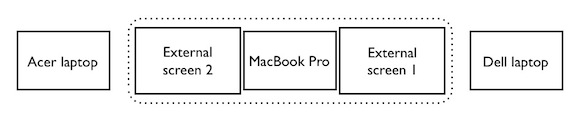
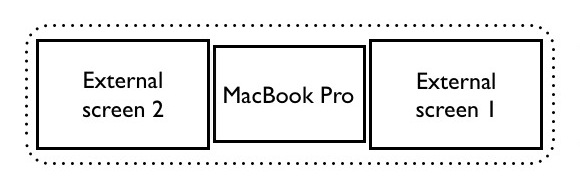
 Do you need to run multiple computers and screens, to satisfy the blogging and social media marketing work you do for multiple projects or clients? Configuring such a setup can be a major headache, but it need not be. If you’re in this situation, here are some tips on managing a multi-screen, multi-computer, multi-OS workstation. (Warning: this is hard core hardware/ software geekery.)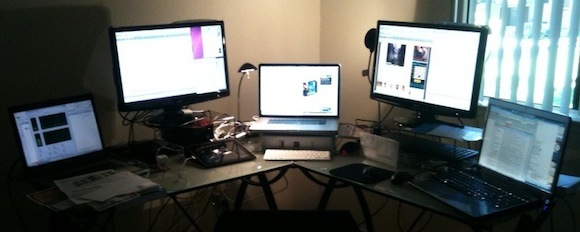
 How much time do you need to put into a niche before you can declare yourself an expert? Well, many bloggers seem to disagree, judging by their self-proclamations after only a few months, but once upon a time you were classified as an expert if you had spent roughly 10,000 hours on a skill, in a focused, structured manner. If we’re referring to a career job, at roughly 40 hours/week, that comes out to about five years. But when it comes to working online and establishing your expertise, the Web doesn’t wait around. Five years is too long, since Web technology is always changing.
 Any time you start a new blog, the biggest concern tends to be “how do I build traffic?” Unless you’re hiring or have a crack team of web gurus who know the tricks for building up your blog fast, you’ll just have to do it yourself. However, if you haven’t luxury of a big budget and have minimal time, one recourse is to bootstrap your blog traffic with the same general principles with which entrepreneurs bootstrap their startup businesses with minimal funds and resources.
 If you have a Mac or PC computer, there’s a simple way to locally bookmark Web pages that you’re browsing or researching en masse that keeps you browser-independent: file folder shortcuts. This method keeps you from having to open multiple Web browser tabs or bookmark all the URLS or worse, copy and paste links into some sort of list. It is a simpler former of bookmarking, but avoids some of the other methods’ limitations. Note: I haven’t tried the following tip on a Linux system, but it might work similarily. I tested on a Mac (10.6.x Snow Leopard) and a PC (Win Vista).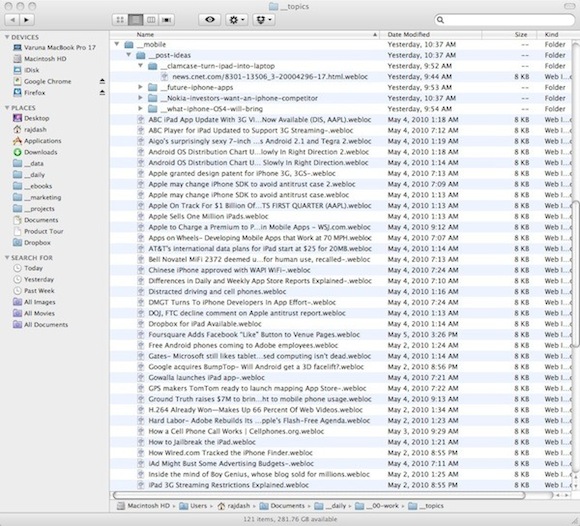
 Blogging can be an enjoyable experience or it can be a draining time-suck. Which would you prefer? Whether you’re blogging for your own reasons, freelancing, or